
Music by Benjamin Britten (1954)
Libretto by Myfanwy Piper
In English with English Surtitles
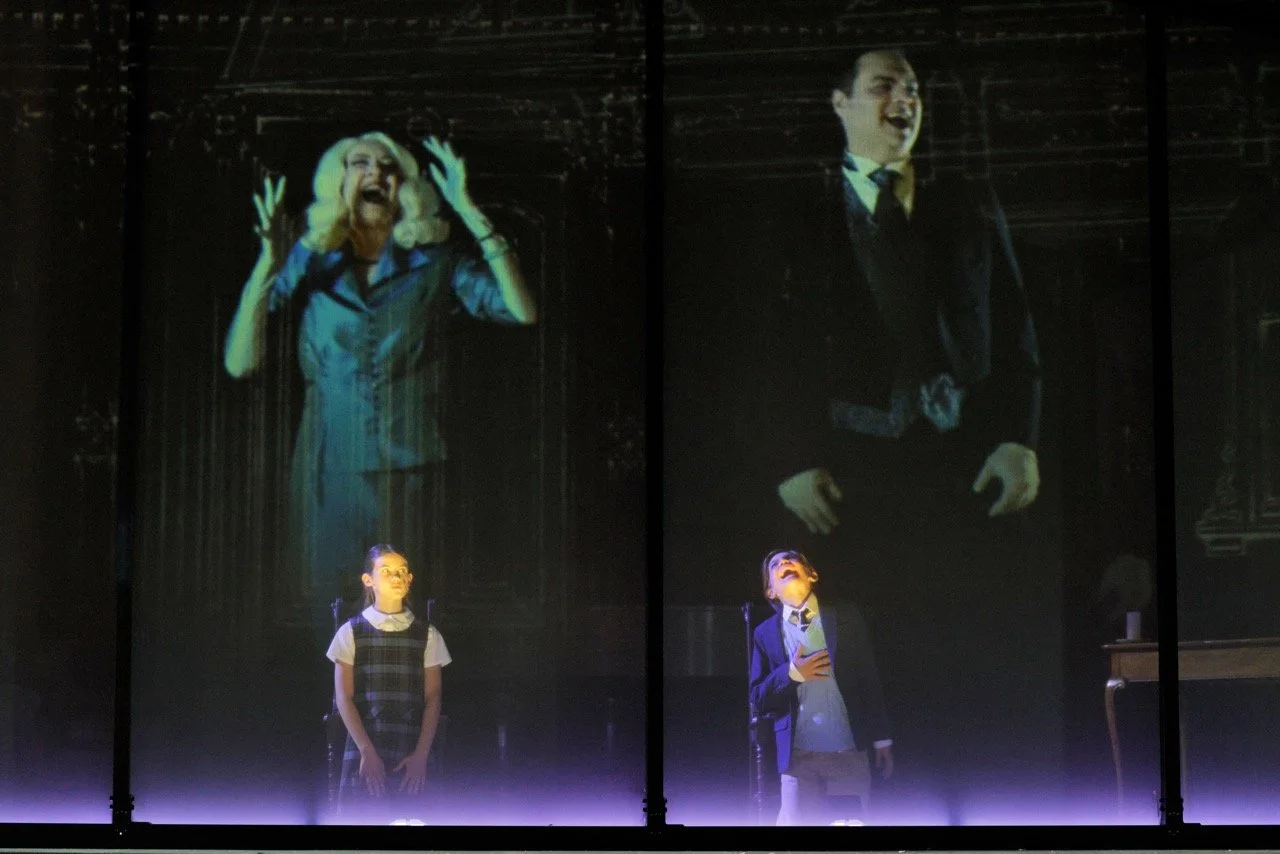
Britten’s The Turn of the Screw is a gripping psychological thriller that blurs the line between the seen and unseen. A young governess is hired to care for two children at a remote estate but soon suspects they are being haunted by the ghosts of two former employees. With a hypnotic score and mounting tension, the opera pulls audiences into a world where the mind becomes the most dangerous place of all.
Saturday, August 1 • 2 PM
Sunday, August 9 • 2 PM
Saturday, August 15 • 8 PM
Runtime 2 hours 45 mins including intermission
Meet the Creative Team and Cast
-
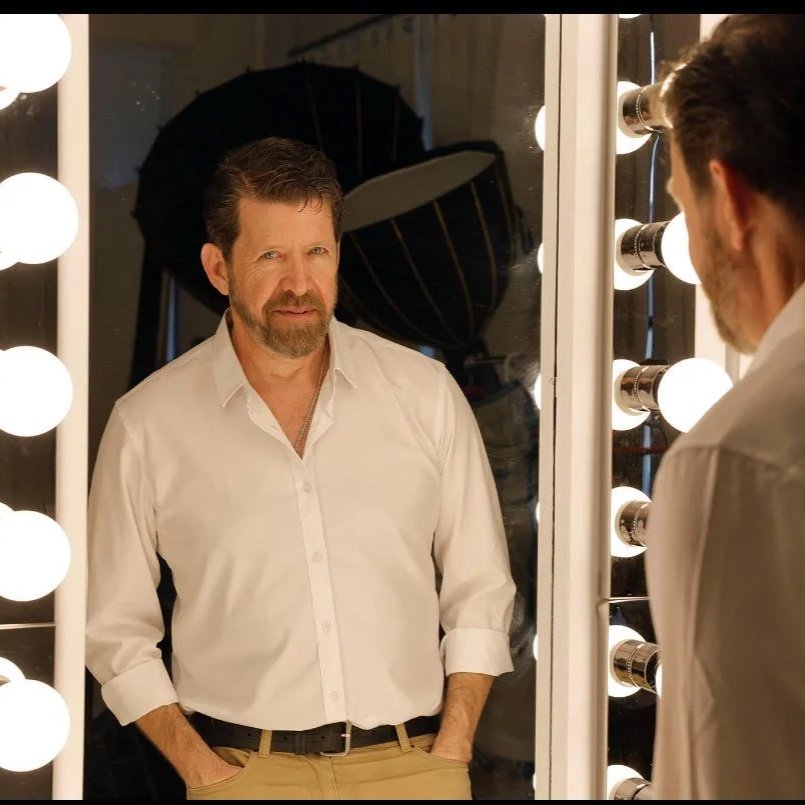
Mark Streshinsky
DIRECTOR
-

Jonathan Khuner
MUSIC DIRECTOR
-

Laura Bohn
The Governess
-

Alex Boyer
Peter Quint
-

Erin Neff
Mrs. Grose
-

Alexa Sessler
Miss Jessel
-

James Coniglio
Miles
-

Noah Hajduk
Miles
-

Siena Coniglio
Flora
-

Roya Agarwal
Flora
Reviews: Critics are praising The Turn of the Screw
Engage With The Turn of the Screw:
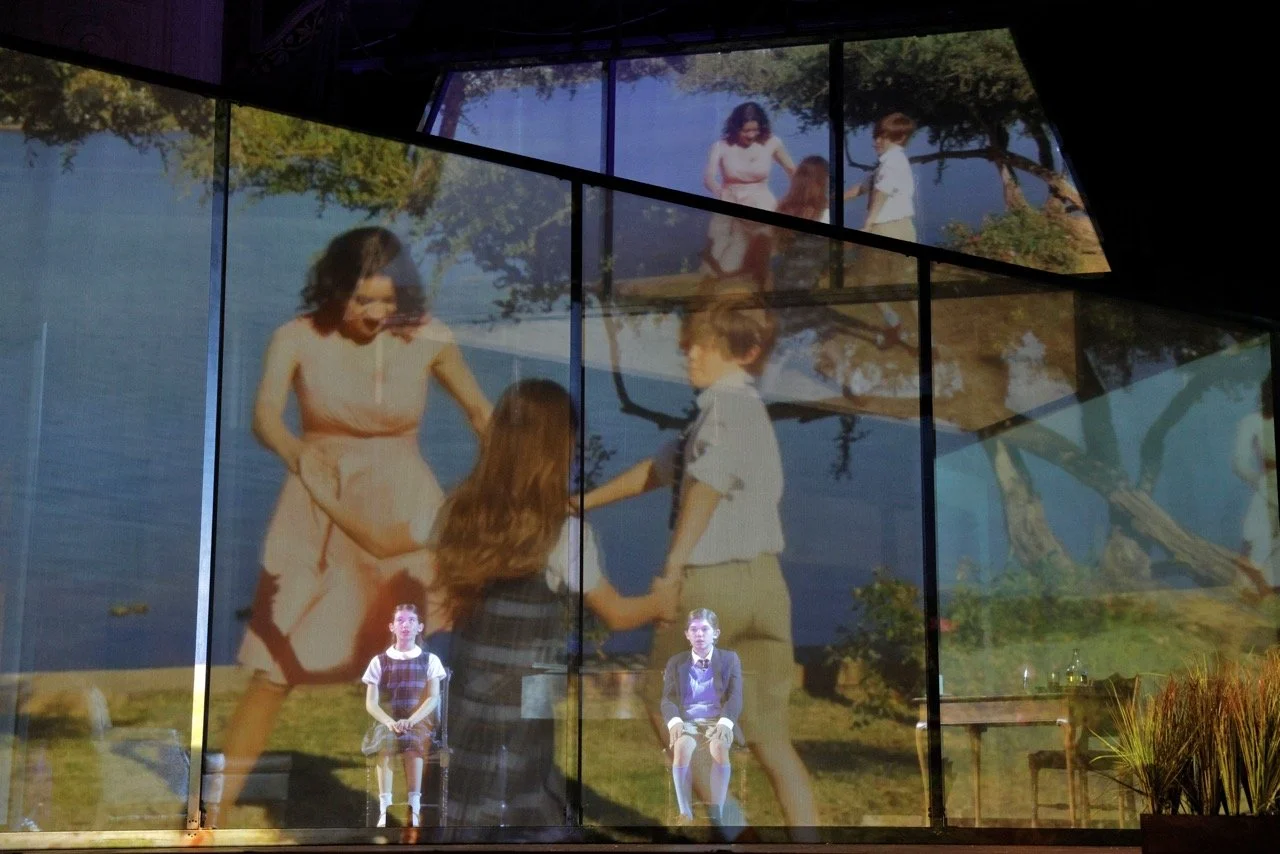
The Turn of the Screw Production Photos by Cory Weaver
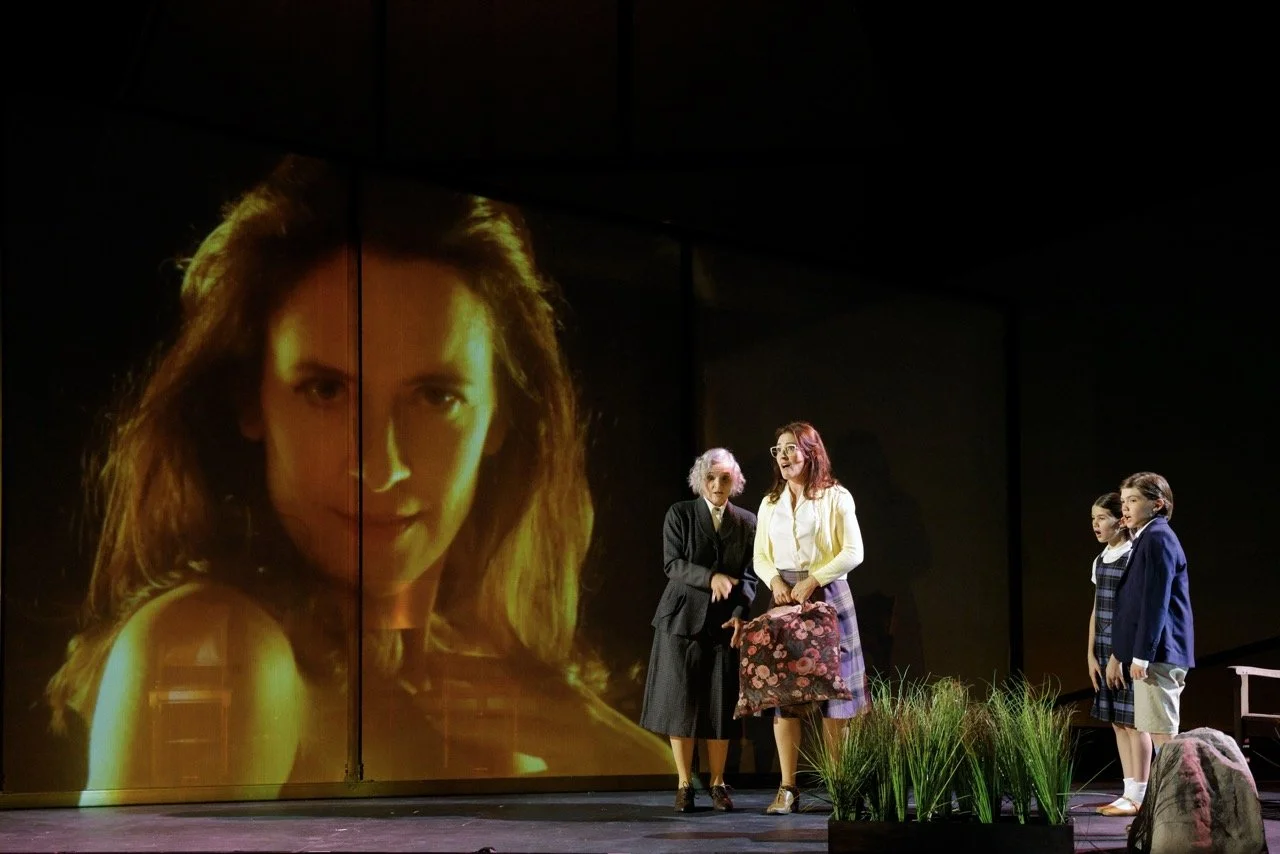
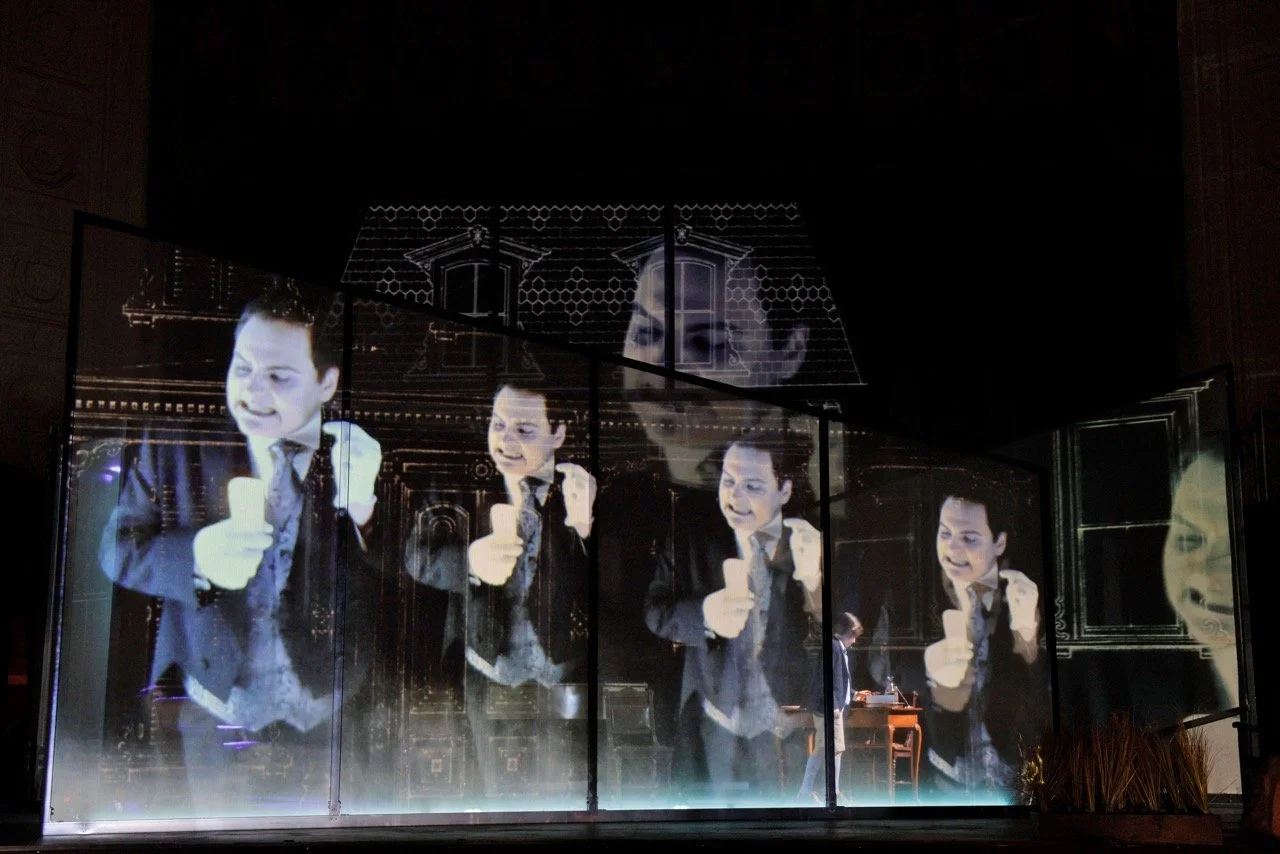
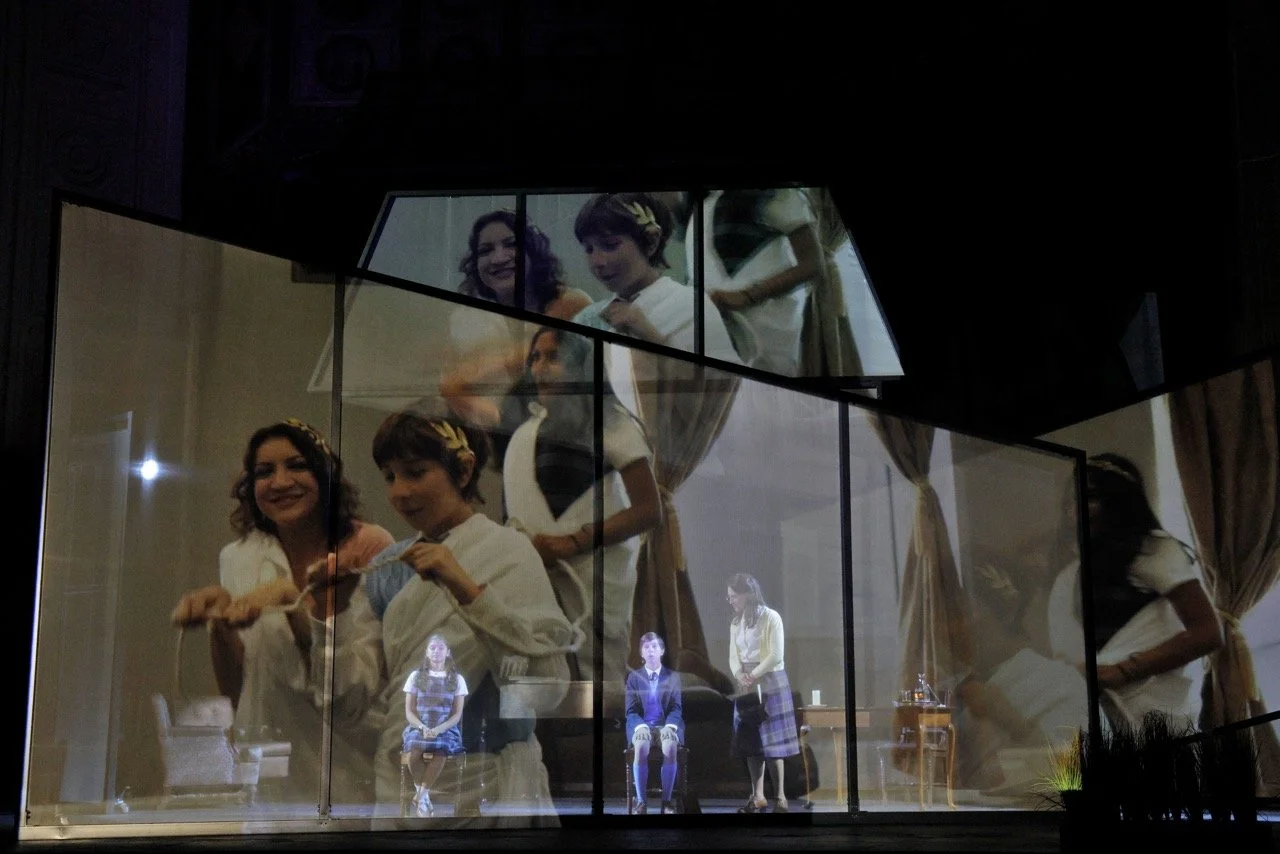
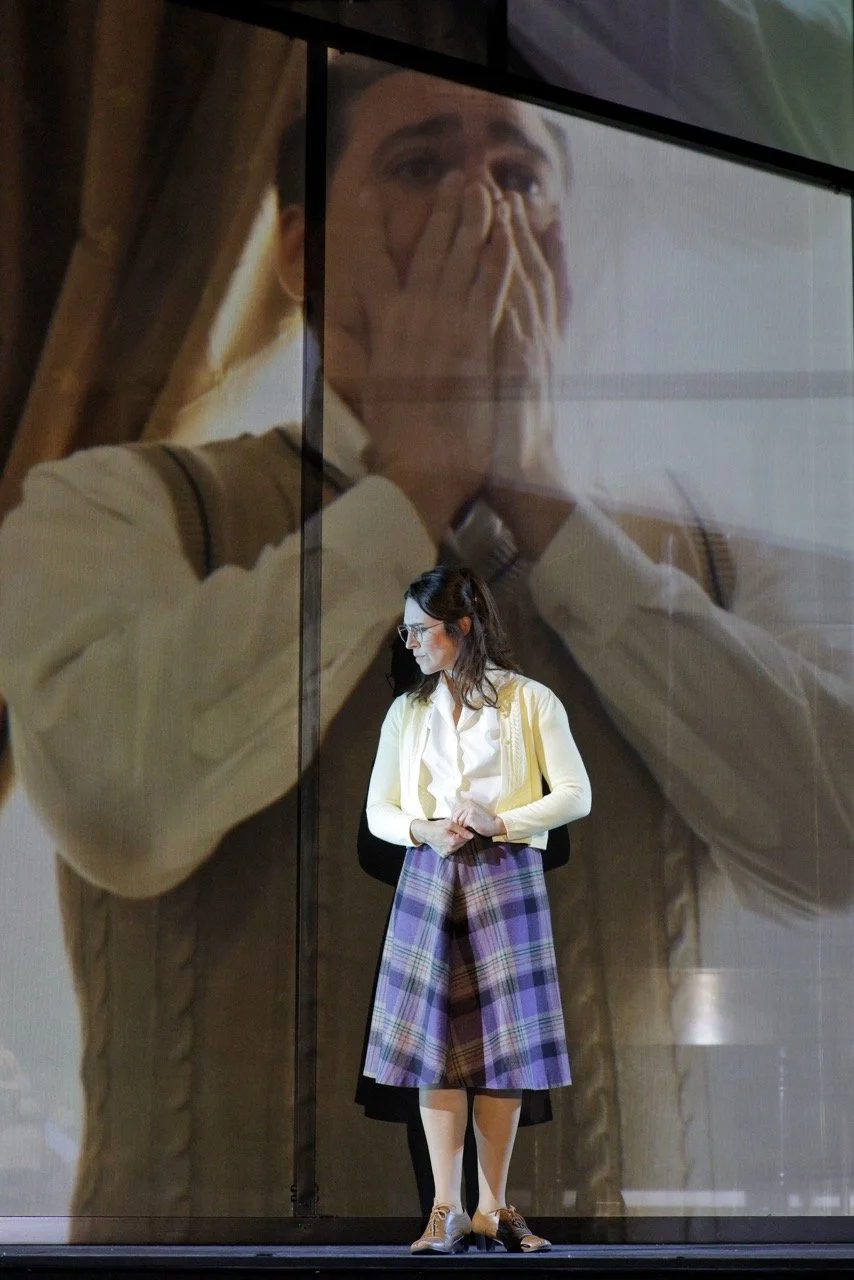
Haunting Audiences Through the Ages
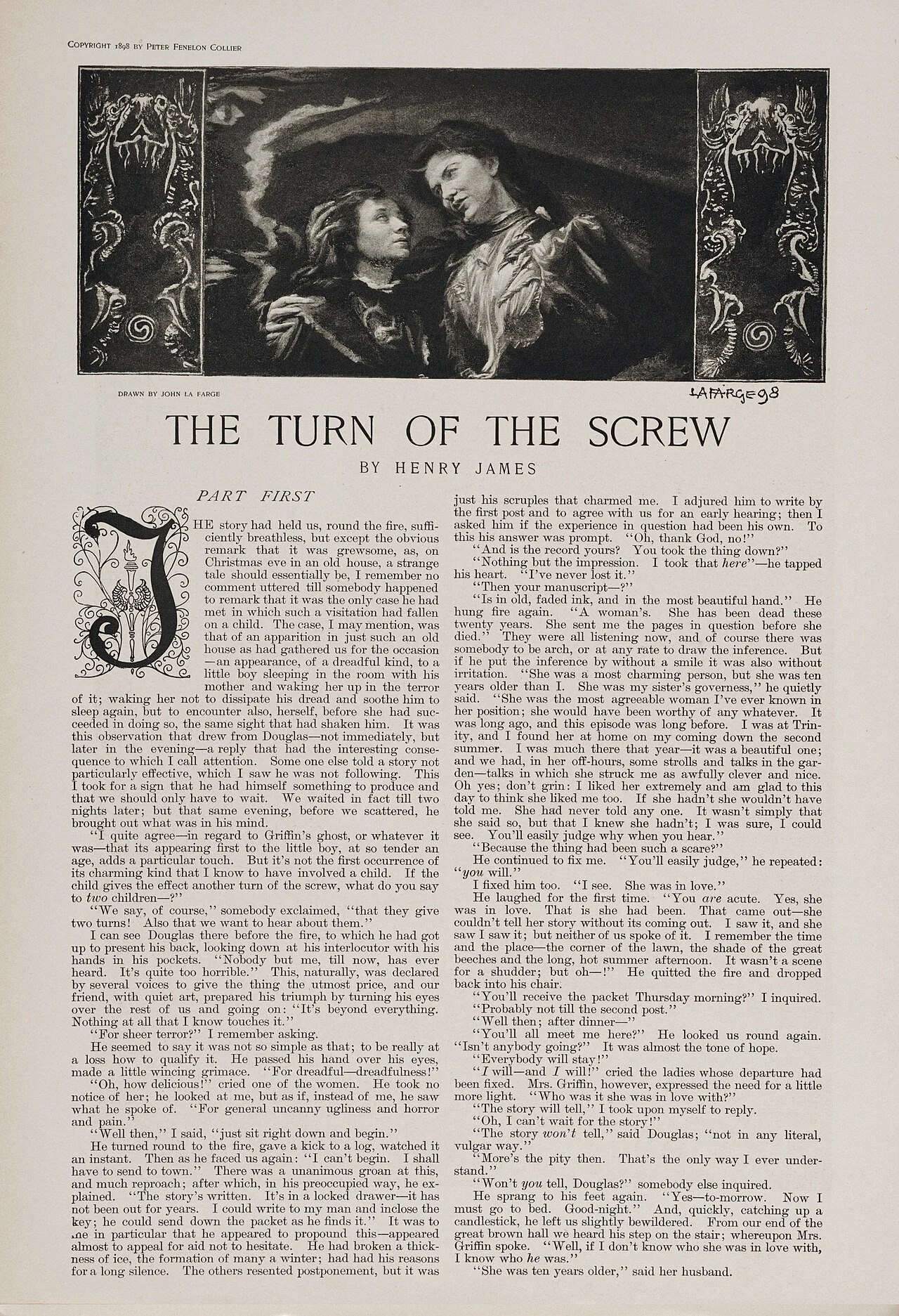
The Turn of the Screw began its life in 1898 when Henry James published the story in serialized form in Collier's Weekly. The tale opens with a group of people gathered around a fire reading a mysterious manuscript written by a governess who recounts her terrifying experiences caring for two children at a remote country estate. The story’s power lies in its ambiguity—readers are never certain whether the ghosts haunting the house are real or manifestations of the governess’s imagination. This psychological uncertainty captivated audiences from the start and made the novella one of the most discussed ghost stories in literature. Over time it has inspired countless adaptations across artistic forms, including stage plays, films, and opera. Among the most famous film versions is The Innocents, widely considered one of the greatest psychological horror films ever made. The story was also transformed into a chamber opera by Benjamin Britten with a libretto by Myfanwy Piper, premiering in 1954 at Teatro La Fenice. More than a century after its publication, The Turn of the Screw continues to haunt readers, audiences, and artists, proving how a simple ghost story printed in a magazine evolved into one of the most influential psychological thrillers in literature and performance.