
Sunday August 1 2pm
Saturday August 7 8pm
Saturday August 14 2pm
Bacchanal
Created by Adam Pearl and Mark Streshinsky with music of Henry Purcell, inspired by Euripides’ The Bacchae
World premiere
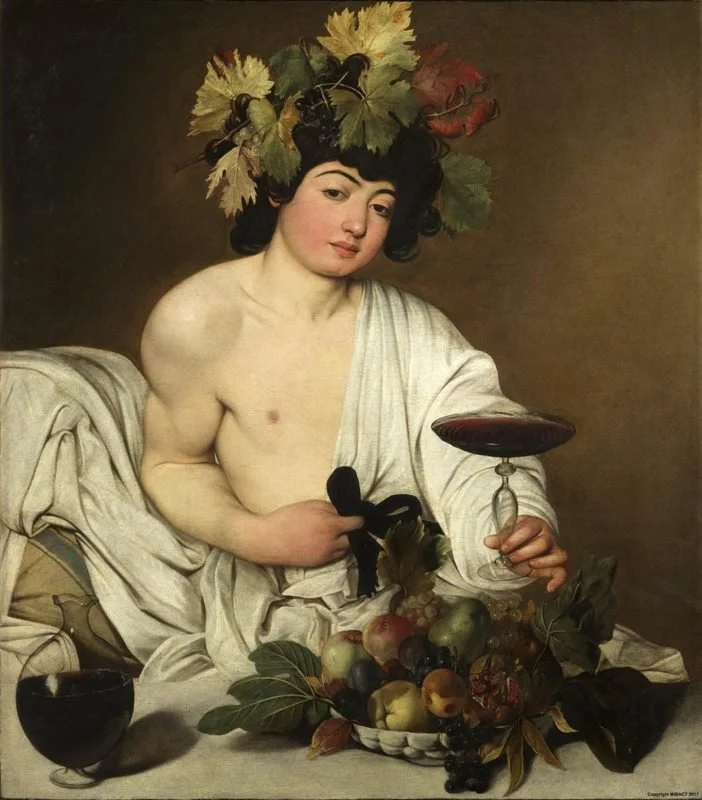
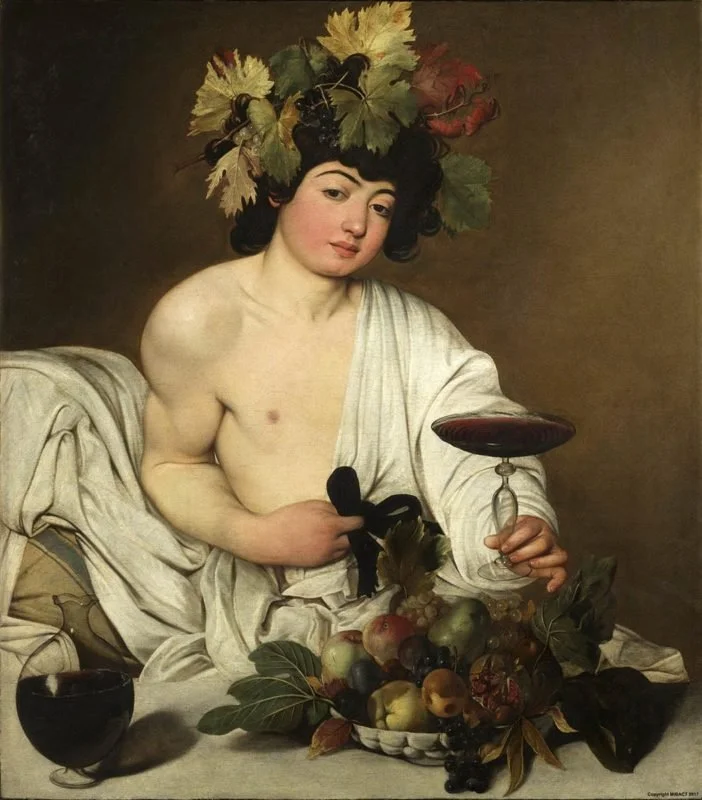
Bacchus (c. 1596), oil painting by Italian Baroque master Michelangelo Merisi da Caravaggio
The Story
Order meets ecstasy in Bacchanal, a new Baroque opera that sets Euripides' The Bacchae to the music of Henry Purcell. The demigod Bacchus arrives in Thebes to avenge his mother's death, only to find his worship banned by the rigid young king Pentheus. As Bacchus leads the women of Thebes into the forest for a life of drinking, dancing, and abandon, Pentheus finds himself drawn to the stranger he is determined to destroy.
Created by Mark Streshinsky and Adam Pearl, the team behind West Edge Opera's acclaimed Eliogabalo and David and Jonathan, Bacchanal weaves together music drawn from across Purcell's rarely heard theatrical works. The result is an ancient story that feels startlingly modern, exploring desire and repression, the cost of rigid power, and the human need to balance order with chaos, with a surprising new twist on Euripides' tragic ending.
The Artists
-
![]()
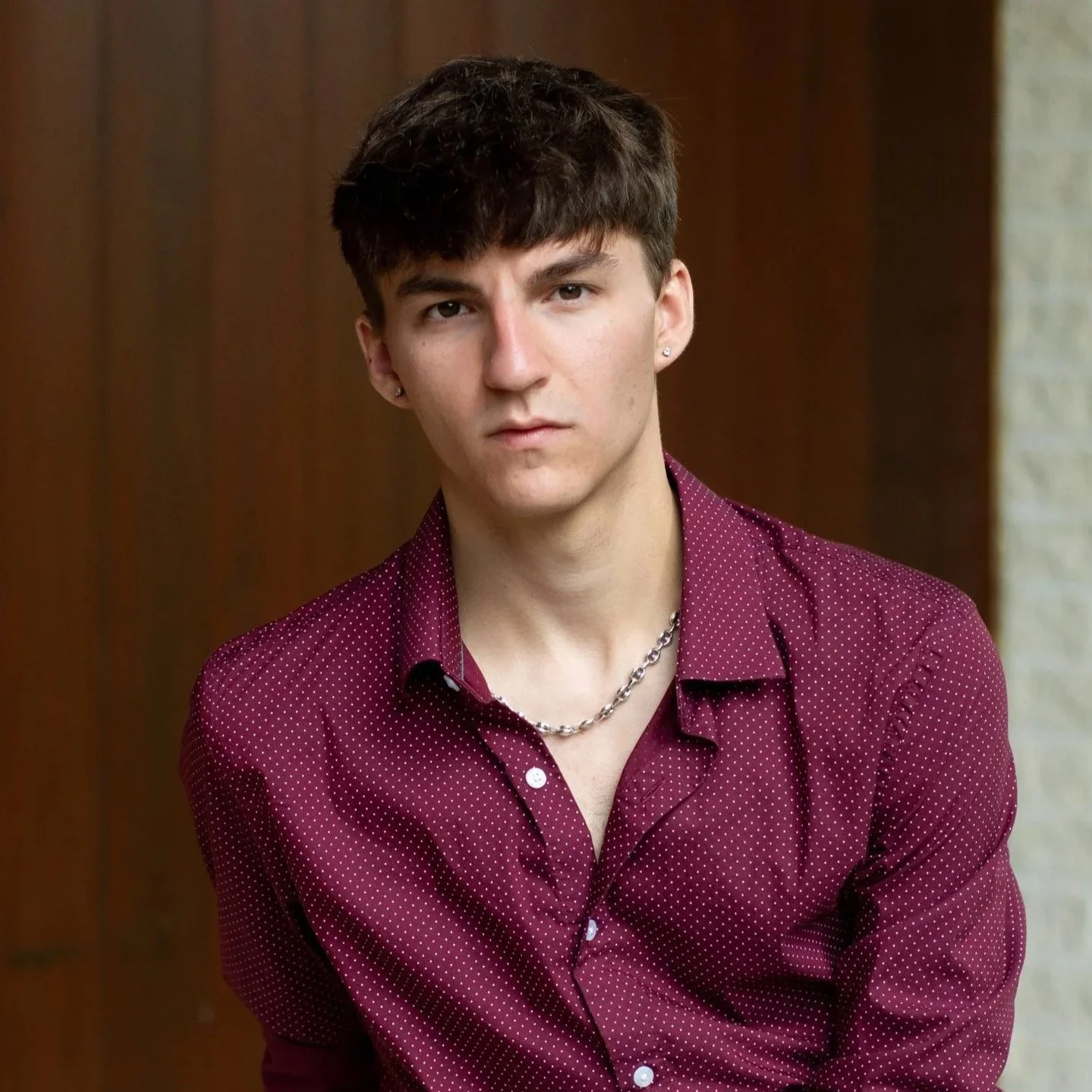
Sam Higgins
Bacchus
Countertenor praised for his "ethereal tone," is a Curtis Institute of Music graduate student and Renée Fleming Artist at the Aspen Music Festival and has performed with Boston Early Music Festival . Boston Lyric Opera and Opera Philadelphia. A first-prize winner of the National Classical Singer Competition and the Boston Pops' Fidelity Young Artists Competition.
-
![]()
Derek Chester
Pentheus
Tenor. praised by the New York Times for his "beautifully shaped and carefully nuanced singing," is a sought-after early music and oratorio specialist who performs with Cantata Collective and American Bach Soloists, Seraphic Fire, and Ars Lyrica Houston. A Fulbright Scholar and Yale School of Music and Institute of Sacred Music graduate, he received Carmel Bach Festival's prestigious Adams Fellowship.
-
![]()
Mariya Kaganskaya
Agave
Mezzo-soprano, hailed by OPERA Magazine for her "rich mezzo," has appeared with San Francisco Opera, Opera San José, Opera Columbus, and Florida Grand Opera, and sang in Santa Fe Opera's world premiere of The (R)evolution of Steve Jobs, whose recording won the GRAMMY Award for Best Opera Recording. A winner of the Metropolitan Opera National Council Auditions' San Francisco District and first prize in the Classical Singer Competition, she releases her second album on the Lexicon Classics label this season.
-
![]()
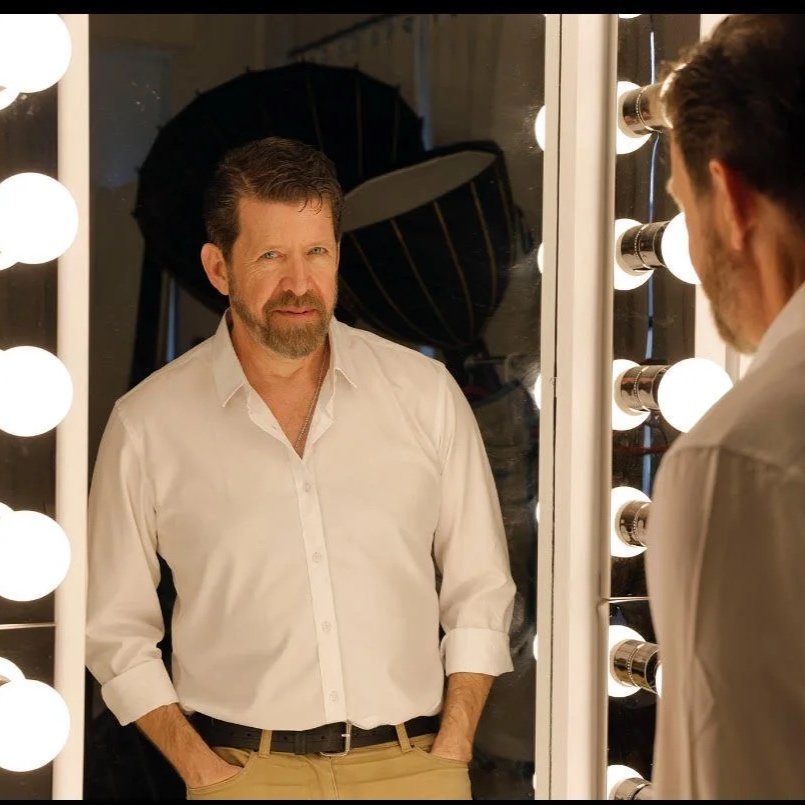
Adam Pearl
Music Director
Award-winning early keyboard specialist, has performed across four continents. Principal harpsichordist of Philadelphia's Tempesta di Mare since 2005, he appears with Chatham Baroque, the Folger Consort and American Bach Soloists, and has recorded for Chandos, Dorian and Plectra. A lover of Baroque opera, he has directed productions with American Opera Theater and Peabody Chamber Opera. Pearl serves on the Early Music faculty at the Peabody Conservatory, where he earned his degrees, and is a laureate of the Jurow and Bruges international harpsichord competitions.
-
![]()
Mark Streshinky
Director
General Director of West Edge Opera since 2003, shaping the company’s identity with productions ranging from classics to contemporary works to rarely performed early operas. His most recent West Edge directing was last season’s David and Jonathan, along with work for major opera companies in the U.S. and abroad. Mark has been a guest teacher at the San Francisco Conservatory of Music, Yale Graduate School of Opera, and the Peabody Institute. A champion of new opera, he was instrumental during the pandemic in founding Aperture, a virtual platform for developing new works.
-
![]()
Philip Skinner
Cadmus
Bass-baritone Philip Skinner is a versatile artist whose repertoire spans King Philip in Don Carlo, the title role in Der fliegende Holländer, and Scarpia in Tosca. A former Adler Fellow, he has given over 380 performances in 55 productions with San Francisco Opera and appeared with the Metropolitan Opera, Seattle Opera, Lyric Opera of Chicago, and West Edge Opera. Concert highlights include Verdi's Requiem at Carnegie Hall and Beethoven's Ninth with the San Francisco Symphony.


Henry Purcell and His Music
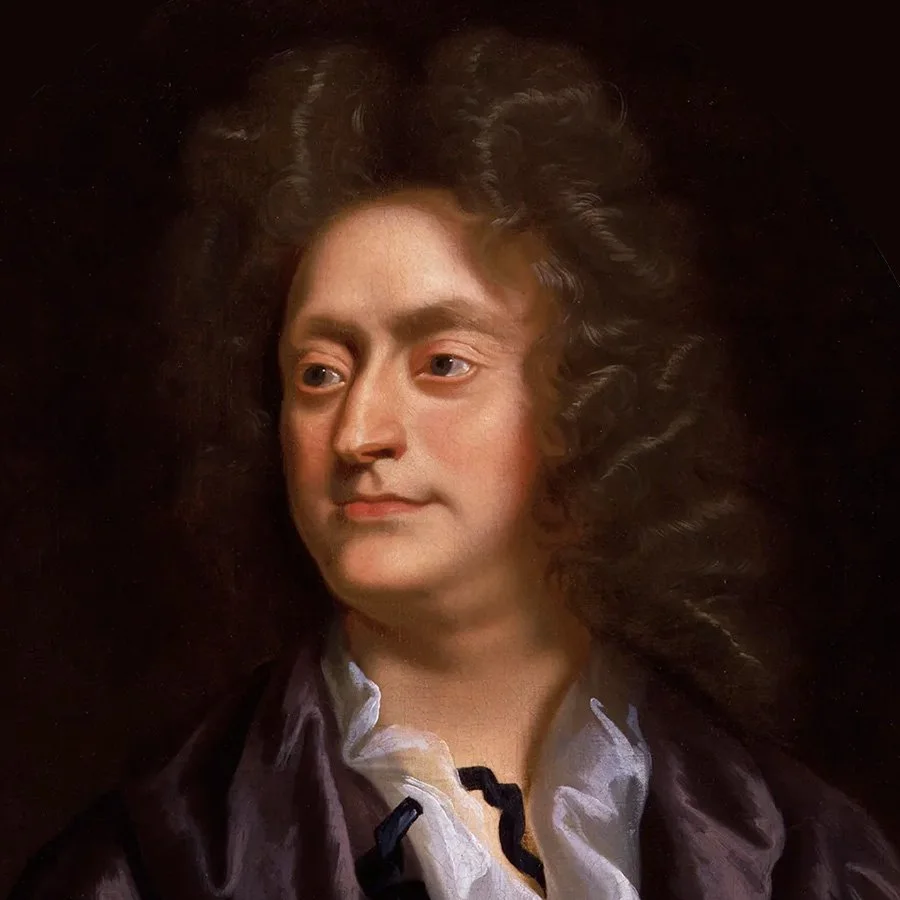
Henry Purcell (1659–1695) was the greatest English composer of his era and one of the finest England has ever produced. Raised in London, he sang as a boy in the Chapel Royal and by age 20 was organist of Westminster Abbey. He later served three monarchs as a court composer. In a career of barely 36 years he wrote anthems, odes for royal occasions, songs, chamber sonatas, and music for dozens of plays. Purcell's gift for setting English text, his expressive harmonies, and his inventive writing over repeating bass lines gave his music a dramatic immediacy that remains fresh more than three centuries later.