
The Man Behind the Gods: John Singer Sargent, Thomas McKeller, and the Discovery That Became an Opera
For nearly a century, visitors to the Museum of Fine Arts, Boston have tilted their heads back to admire the rotunda John Singer Sargent painted between 1916 and 1925 — a soaring company of classical gods and goddesses, Apollo chief among them. What almost none of those visitors knew was that nearly every figure on that ceiling, male and female alike, began as one man: Thomas Eugene McKeller, a young Black elevator attendant Sargent met at Boston's Hotel Vendome in 1916.
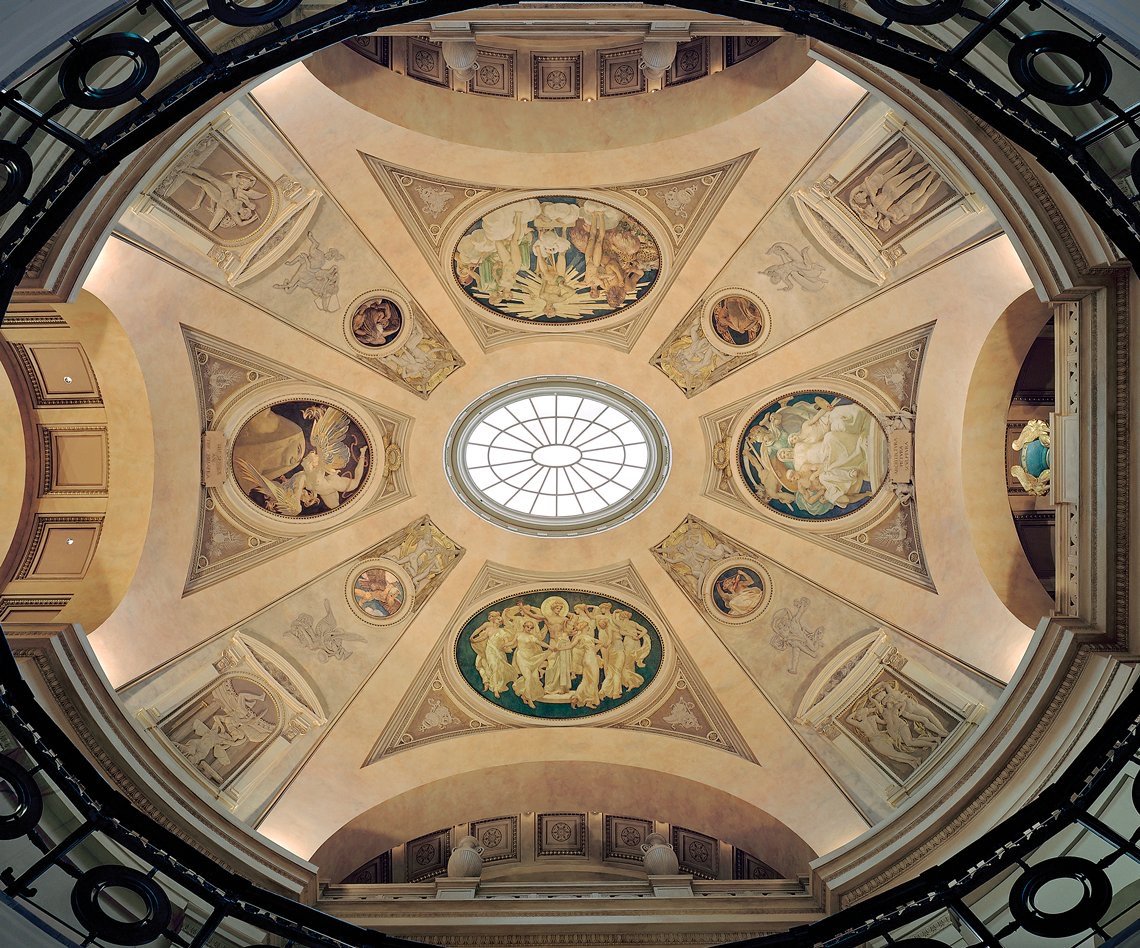
The Rotunda of the Museum of Fine Arts, Boston, with murals by John Singer Sargent, 1916–1921.
McKeller became the principal model for the most ambitious public work of Sargent's career. Over roughly a decade of close collaboration, Sargent drew and painted McKeller again and again — then transformed him, on the museum's walls, into white-skinned deities. McKeller's body gave the murals their life. His identity was painted out of them.
Sargent kept one painting for himself. A monumental nude portrait of McKeller, worked on over three years and never exhibited in the artist's lifetime, was not a commission. It was personal. When Sargent died in 1925, it was reportedly the portrait hanging in his private studio. The exact nature of the relationship between the two men — across lines of race, class, and an era when so much could not be spoken — remains one of American art's great open questions.
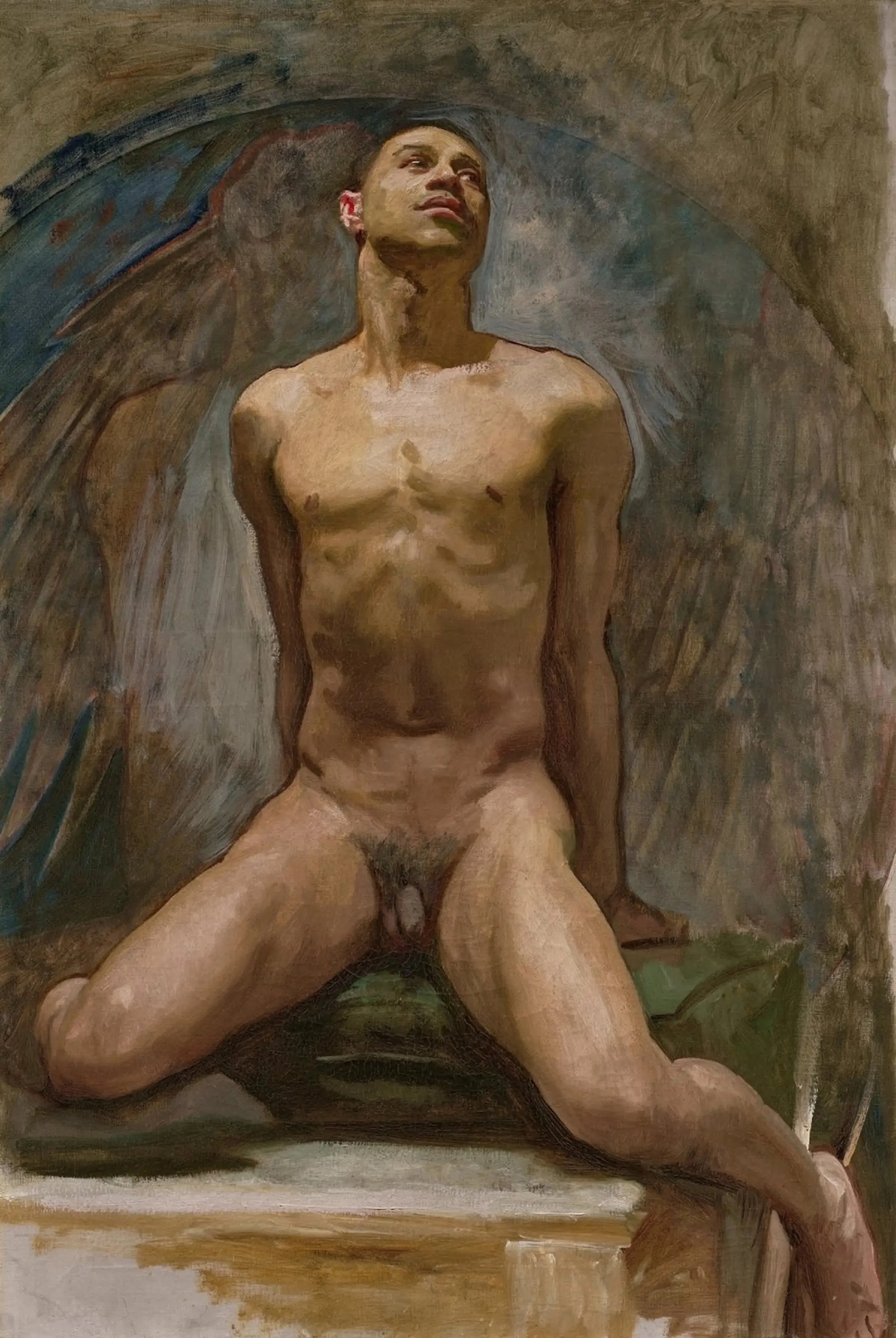
Thomas McKeller, 1917–1921 John Singer Sargent (American, 1856–1925), Oil on canvas
A Folder in the Archives
The story might have stayed buried if not for a moment of curiosity. In February 2017, Nathaniel Silver, curator of the collection at the Isabella Stewart Gardner Museum, was deep in the museum's storage pursuing research on another artist entirely when he came across a portfolio he had never seen before: works on paper signed by John Singer Sargent. His reaction, as he later told WBUR's Radio Boston, was simply, "how have I not seen these before?"
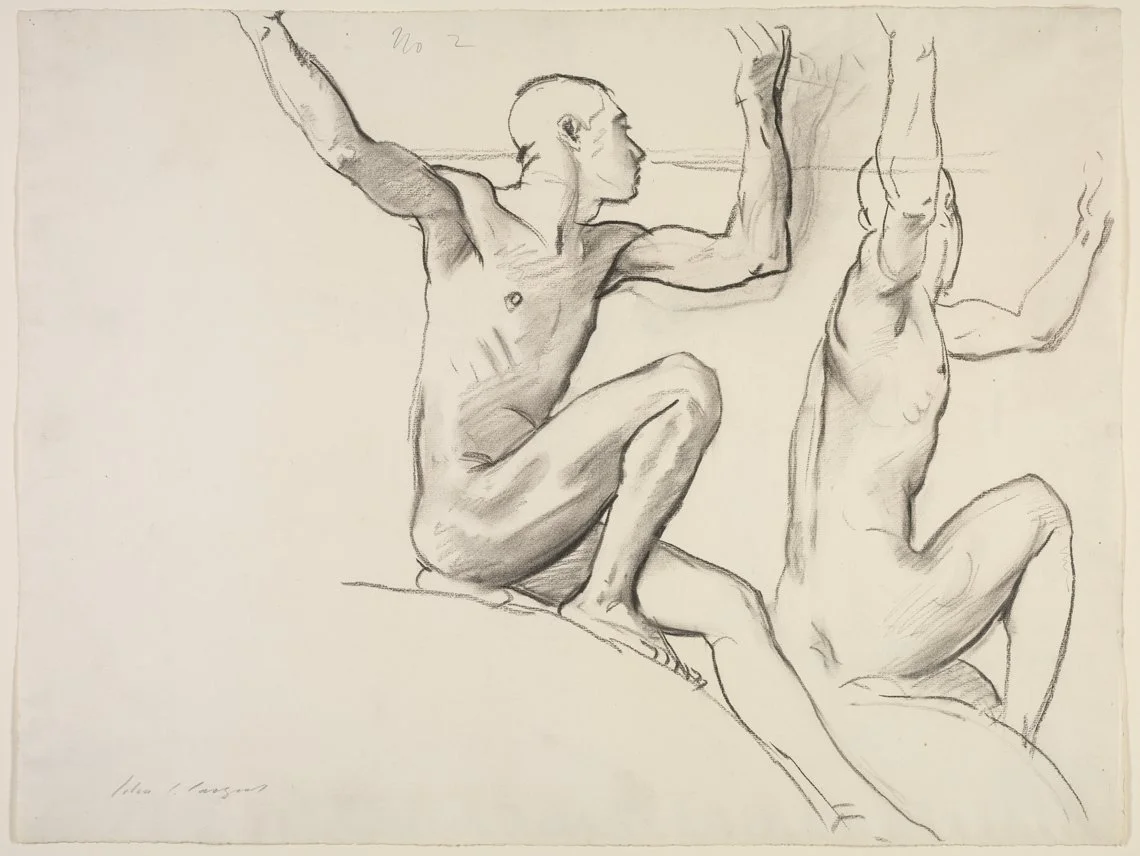
The portfolio held nine drawings and a collotype that Sargent had given to his friend and patron Isabella Stewart Gardner in the 1920s — and most of them depicted Thomas McKeller. Silver could have catalogued the sheets and moved on. Instead, he followed the thread. Through painstaking research, he reconstructed the first real biography of McKeller: his journey from Wilmington, North Carolina to Boston, his life in Roxbury's Black community, his service in World War I, his decades after the spotlight of Sargent's studio went dark. Silver even tracked down McKeller's great-niece and people who had known him before his death in 1962.
The result was the Gardner's landmark 2020 exhibition Boston's Apollo: Thomas McKeller and John Singer Sargent, which displayed the drawings together for the first time and asked the questions the murals never could — about race, erasure, intimacy, and who gets remembered when the paint dries.

Essays offer the first biography of McKeller and a window onto African American life in early-20th-century Boston. They also address the artist’s sexuality, his models, and questions of race and identity.
From the Archive to the Stage
Among those moved by the exhibition was librettist Lila Palmer. Paired with composer Damien Geter through Washington National Opera's American Opera Initiative, she made McKeller's story the foundation of a new opera. American Apollo premiered in its full-length form at Des Moines Metro Opera in 2024, where critics hailed it as a nuanced story of love, power, and agency. Where the historical record falls silent, Geter's richly expressive score and Palmer's libretto reach through the mist — imagining the bond between artist and model, and restoring to Thomas McKeller the voice history denied him.
This August, West Edge Opera brings the West Coast premiere of American Apollo to the Bay Area as part of our 2026 Summer Festival, August 1–16 at the Oakland Scottish Rite Center, with baritone Markel Reed as Thomas McKeller and John Bellemer as John Singer Sargent.
We ask this season: Who is the hero of your story? For a hundred years, Thomas McKeller stood in plain sight above the grandest staircase in Boston, unnamed and unseen. A curator's curiosity found him. An opera now sings him. Come meet the man behind the gods.
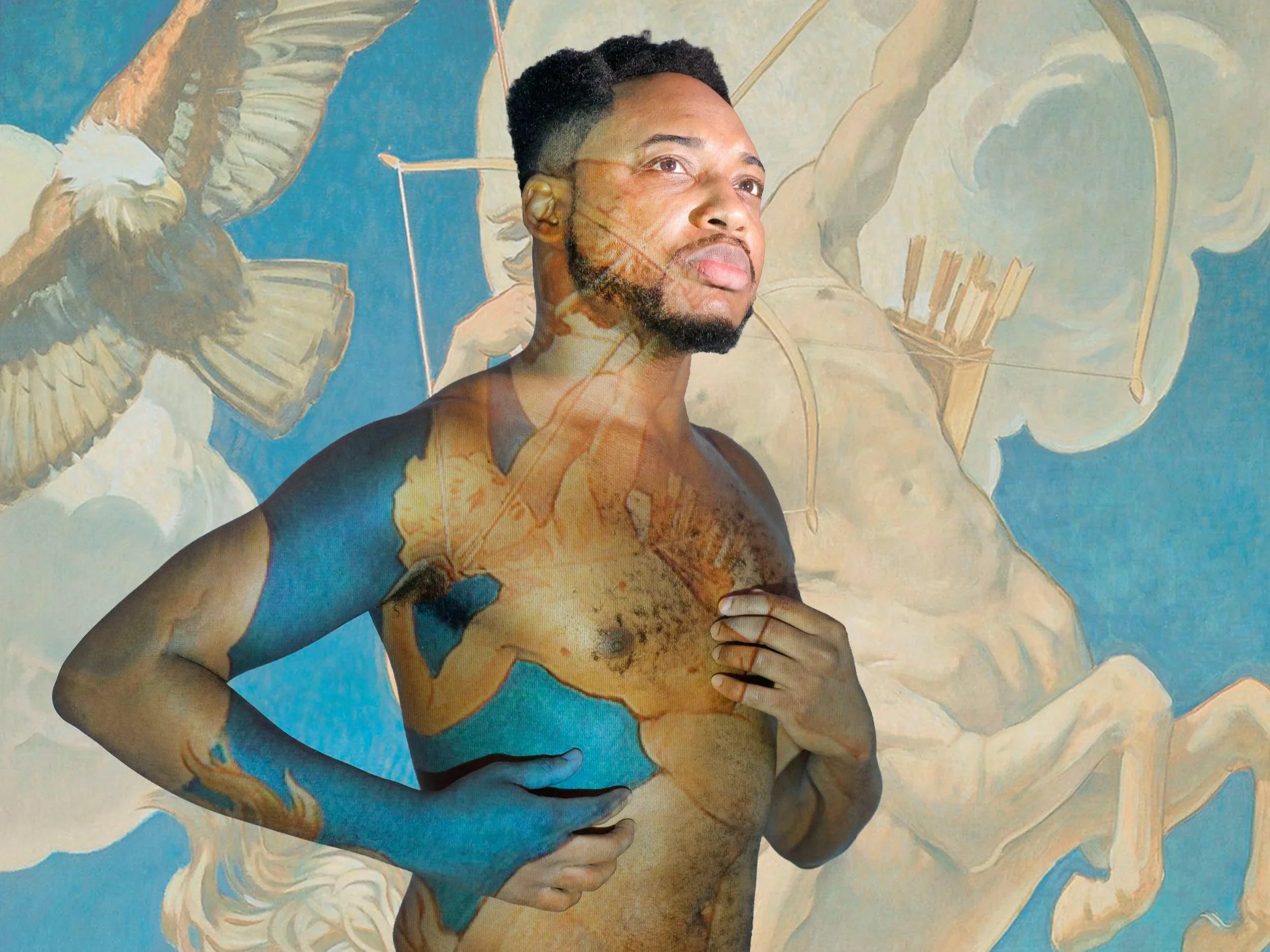
Markel Reed, as Thomas McKeller. Photo by Cory Weaver
