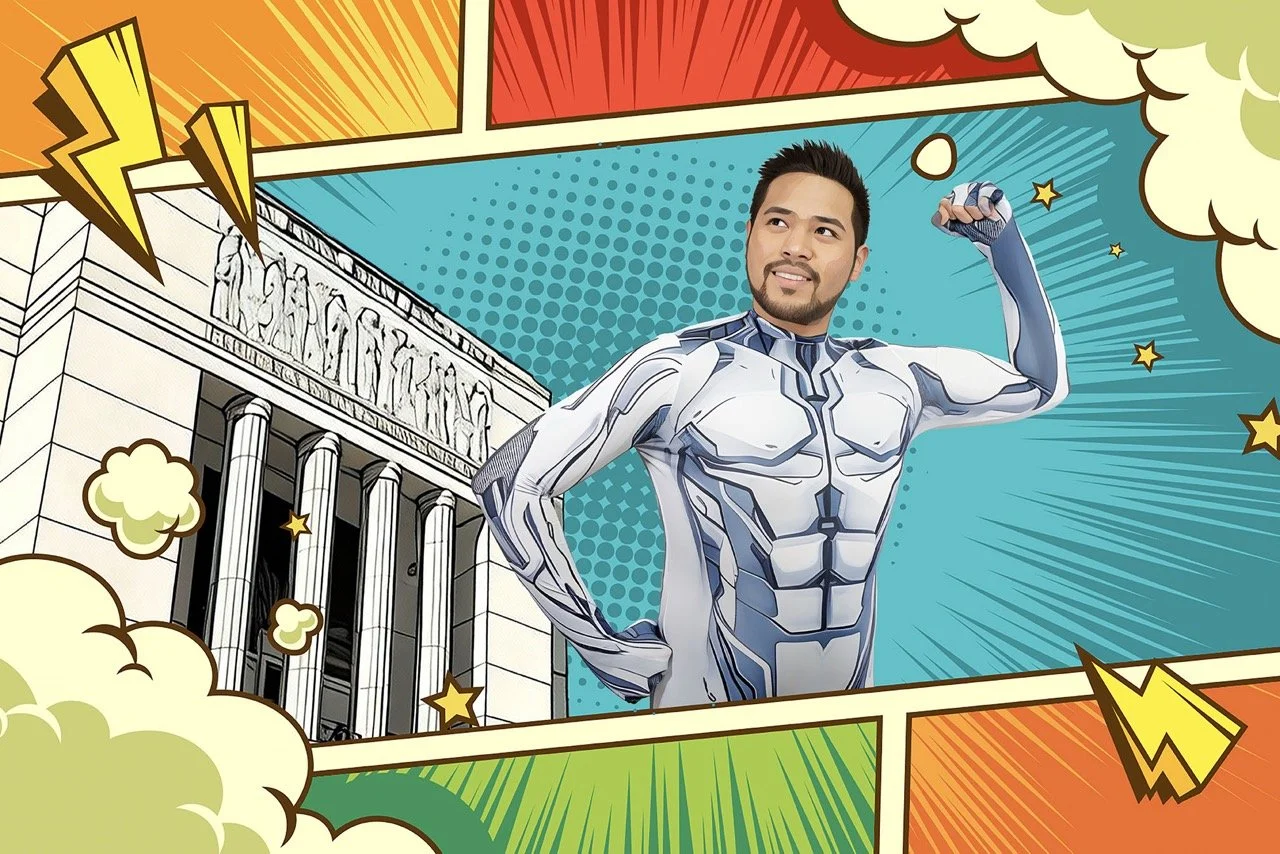
5 Questions with Countertenor and Lead in Rinaldo, Kyle Tingzon
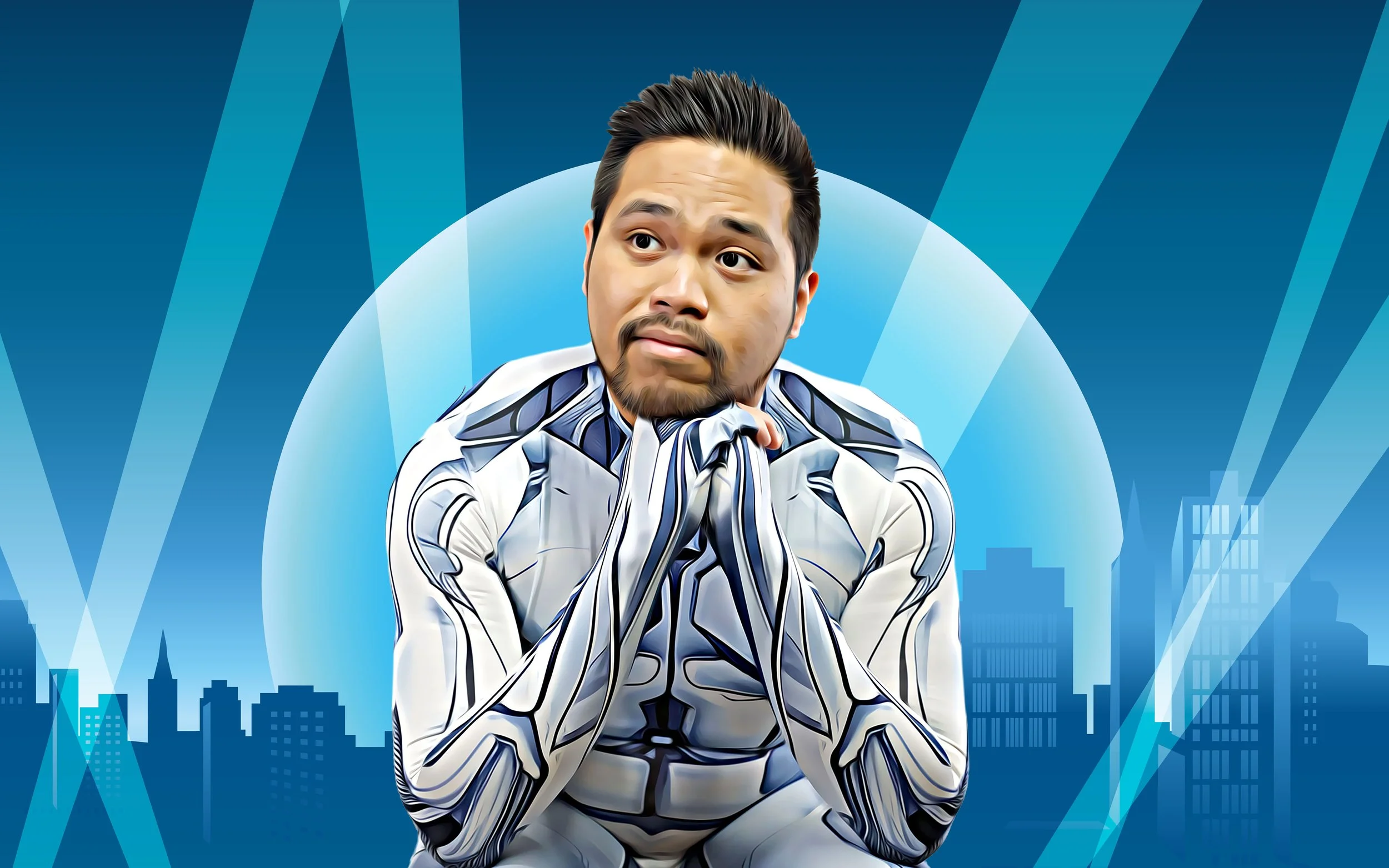
Kyle Tingzon as Rinaldo. Photo by Cory Weaver
1. You've been part of the West Edge Opera family through concerts and the new works program, but this summer you're stepping into the title role of Rinaldo — your leading role debut with the company. What does that feel like? How is this chapter different from everything that came before it with WEO?
Being part of projects pre-Rinaldo opened my eyes to WEO’s influence and reach in the Bay Area. As I step into this role now, I feel great honor and tremendous responsibility. I am grateful because WEO has put a lot of faith in me to help bring their stories to a wider audience through their summer festival. At this point, my responsibility is not only to them but to you, our audience members, to ensure these stories come to life, and that we continue to keep opera alive and thriving here in the Bay Area.
2. Let's talk about being a countertenor, a lot of people in the broader community may have never heard one before. How do you describe your voice to someone encountering it for the first time, and what drew you to this particular voice type as your path?
I usually just tell people that I was male at birth but I have the facility to sing in a range traditionally associated with female voices. “Countertenor” usually serves as an umbrella term for men who might be considered as a male mezzo, male alto, or even a male soprano/sopranist. Personally, I think of myself as someone in the mezzo category.
I fell in love with classical music when I was in high school. At the time, I would play around with my voice and belt out pop songs and musicals; however, my choir teacher assigned me to sing tenor. It was an all-male high school, and a man singing up the octave was unheard of (He did have the best intentions, and that foundation has served me well). In college, I began taking voice lessons, still honing my tenor voice and some classical tenor repertoire. I could sing the high, heroic tenor notes without fail, but it never sounded exciting to me. I felt I could sing higher. Eventually, when my voice teacher heard me belt out a random song, he pointed out that I could be a countertenor, and my immediate response was “What’s that?”
From there, I was exposed to the countertenor repertoire and fell in love with Baroque music. I started listening to recordings by famous countertenors like Andreas Scholl, Russell Oberlin, and Brian Asawa. Finally, something clicked — I had found my true voice.
3. Rinaldo was originally written for a castrato, (Link to learn more about) a voice type that no longer exists, and today countertenors have essentially inherited that legacy. Do you think about that history ever and does it affect how you look at and approach roles in that very specific repertory?
I am grateful for the wonderful artistic legacy of the castrati, but I do think about the horror and trauma they had to endure for their art. Living in our world today, I consider myself lucky that I am able to carry the torch without having to go through that experience. I think that just like the castrati back then, much of the focus is on bringing out text, word painting, and affect in the roles that they perform. I try to do the exact same thing and hopefully it is reflected in each performance that I do.
4. Leading a production is a different kind of responsibility than being part of an ensemble or a new works showcase. As the title character, everyone is following your journey. How are you thinking about that weight, and what does it take to prepare yourself to carry the audience along with you?
There’s definitely pressure being the title character. As the saying goes, it does take a village to accomplish this enormous responsibility. I cannot do what I do without the help of my team — voice teachers, singing and diction coaches, acting and dramatic coaches, and directors. I plan ahead and make all the necessary preparations to inhabit the role. At the end of the day, I see myself as a servant to the music, the composer, and the drama. The physical and mental sacrifice I do for the pursuit of this art form is something I welcome to be able to make our audiences feel something lasting.
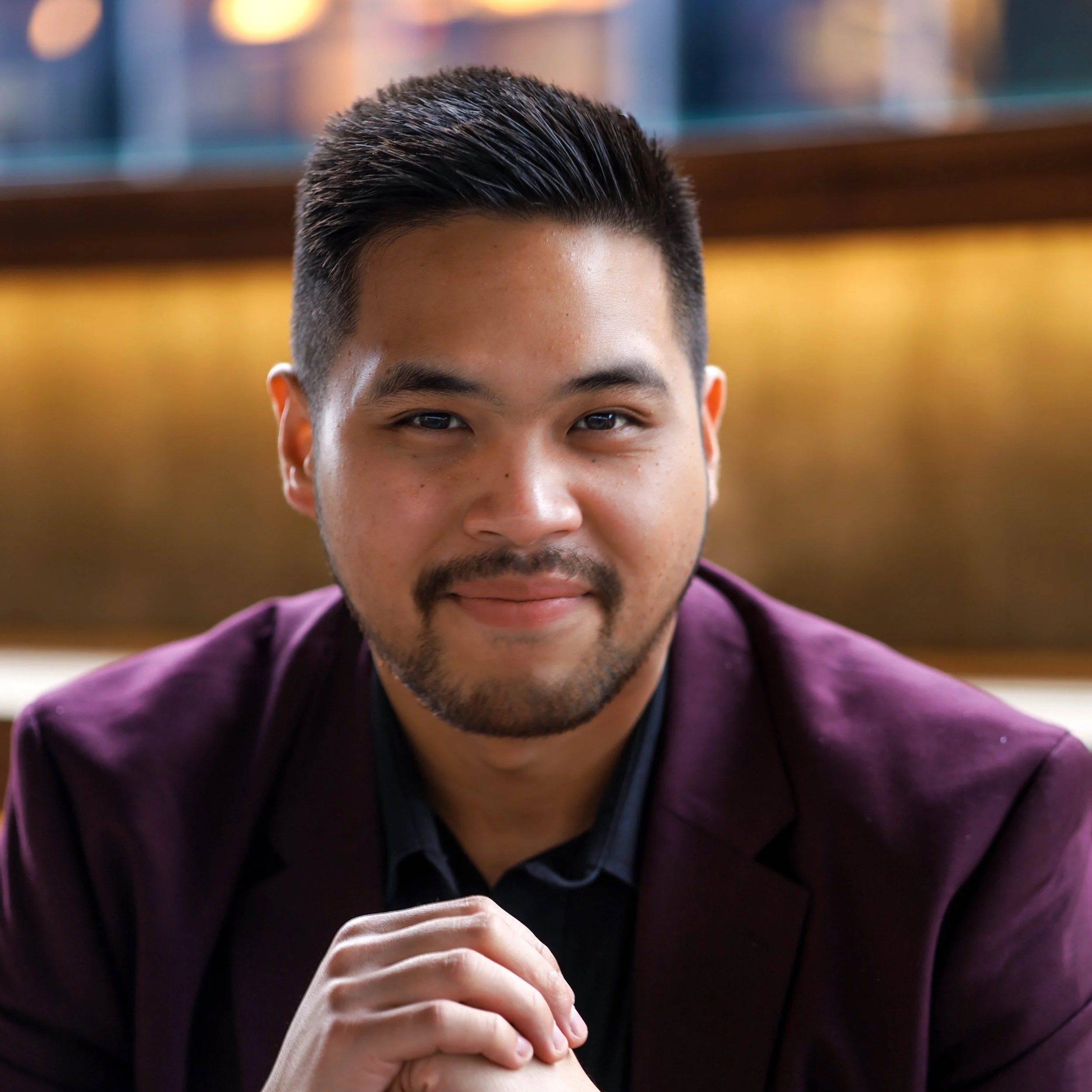
Kyle:
“I fell in love with classical music when I was in high school.”
5. West Edge Opera has been a place where you've grown as an artist, from concerts to Snapshot to now this. What has this company meant to you and what do you want audiences to take away with them as they watch you take the stage as Rinaldo this summer?
I want to say that I am proud knowing WEO as an audience member and as part of its numerous projects. While opera is an old art form, it doesn’t mean that it’s dying (or has to die) – the growth of new talent and the promotion of new works are proof of that, and WEO is making it happen. I am honored that WEO entrusts me to be a part of those goals and ideals. This summer, I ultimately want audiences to find renewed love and passion in the power of theater, music, and opera — that there will always be something new and exciting in this unique art form. I hope Rinaldo is part of that experience for them.