
Laura Bohn Revisits the Governess 13 years Later
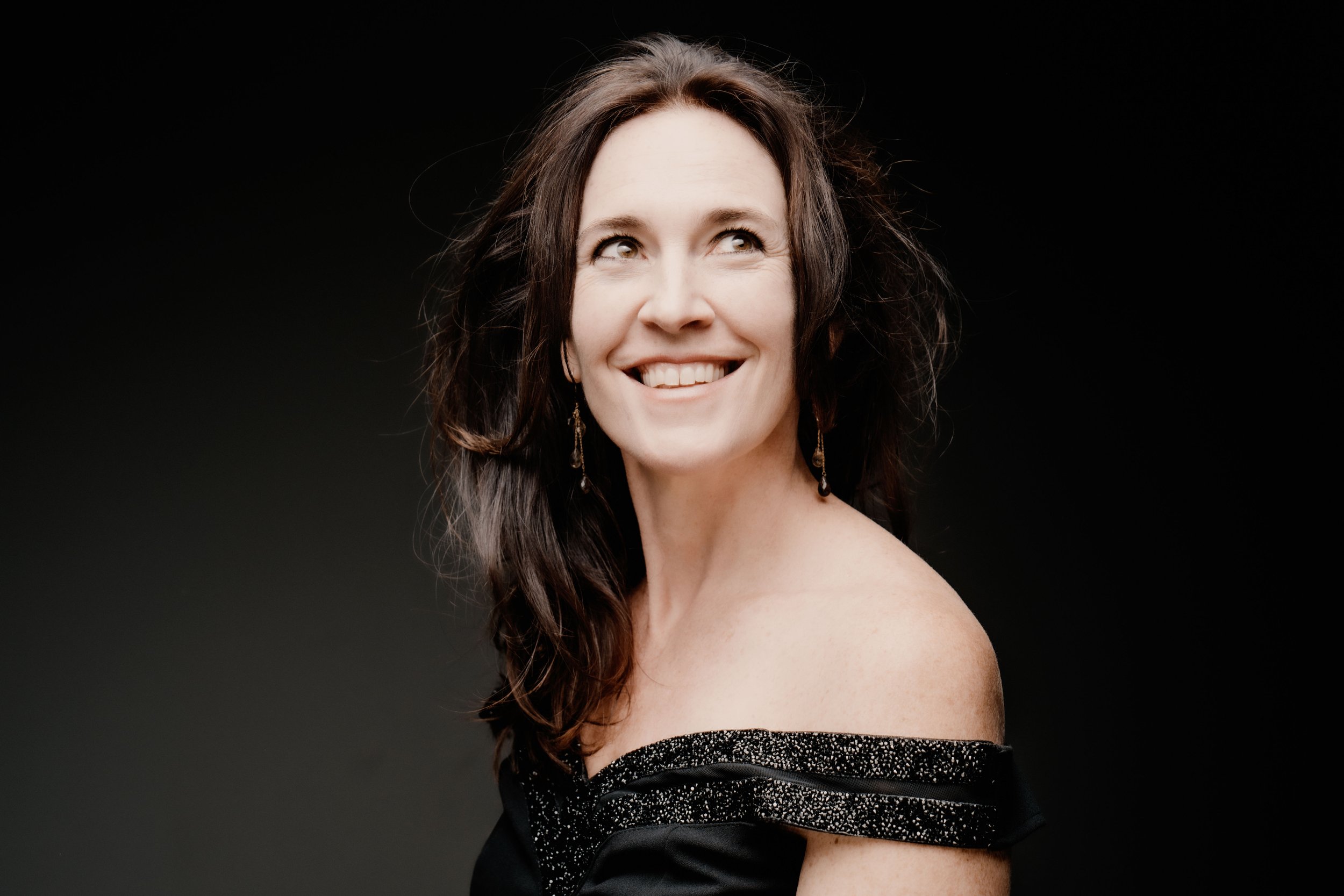
1. You sang the Governess with West Edge Opera back in 2013. That role asks so much of a singer emotionally, isolation, fear, love, obsession. What was it like to inhabit her for the first time, and what did that experience do to you as an artist?
Encountering the Governess for the first time in the lead up to the 2013 production was a revelation for me. In the Governess I find a fully fleshed out human being, going through an unprecedented challenge, and seeking wildly within for the right thing to do. I saw her as holding a very righteous, almost holy purpose in saving the children. She apparently comes from a very sheltered upbringing and doesn’t have the psychological or emotional tools to manage the demands the situation puts upon her. I could relate immediately to that person and threw myself into her portrayal with the same kind of urgency which she brings to saving the children. As an actress by nature and training I often lead in my opera roles with my acting instincts. This drew a lot of exciting colors from my voice, and my dramatic instincts carried me through the strenuous vocal nature of the role. As such I was pushed emotionally to the edge every time and in a way, it defined for me what opera asks of a singer interpreting a leading role: Complete devotion and giving everything one has - heart, body, voice, mind and soul - sometimes at the expense of my own mental health. In recent years I have been recalibrating this definition to include deeper measures for self-care and nervous system regulation.
2. The Governess is a woman trying to protect children from something she may or may not be imagining. Twelve years later, as a person and as a performer, do you understand her differently?
I see the Governess as still being a child herself in many ways, with little experience of the world of adults. She comes to Bly (the setting of the opera) to oversee a household of two children for the first time, and she appears to have the creativity, skills, gumption and know-how to do it. (We hear in the first monologue that she has little ones at home - presumably little siblings who she has had to care for as the oldest child). But we also hear that she has an overactive imagination. She fantasizes dreamily, even passionately about the uncle of the children who has hired her, and when Quint starts appearing to her as a nefarious presence and she learns of his abuse she is quick to associate a storyline with her in the role as savior of the children. She sings that she “must protect the children... must guard their quiet, and their guardian’s too”. Having more life experience this time around -particularly being a mother of an almost 7-year-old now - I can see her with more perspective. Her innocence and savior mentality is not as noble as it feels, it is also misguided and a form of dangerous and willful ignorance. When she hears about the emotional and sexual abuse of Miles by Quint - which Mrs. Grose was too scared to report - she is shocked. It is clearly a call to bring in authorities and professional care for Miles who has been dismissed from school for being “an injury to his friends”. But her pride and obsession with her boss, masquerading as a fixation on doing good - pleasing the “master” by not “bothering” him, so she can be the savior - is her ultimate downfall. She steadily loses her own grip on reality because of the folly of her own desire to control and resolve a situation which wasn’t hers to begin with.
I now see her placing herself at the center of the story as the savior as a sign of her own immaturity. In earlier stagings I saw her more as a youthful heroine crusading for what is right and good in the world. She approaches the situation with courage to the best of her ability, but as the children slip further from her she resists asking for help until it is too late. She misguidedly thinks that relying on herself and thus isolating herself as the lone savior of the children is the brave and right thing to do. We cannot tell for sure what point in the story that reality and the neurosis of her own obsessions and fears overlap. Perhaps in the end she is so spun out in terror that her good intentions lead to more harm for the children. Understanding the danger in her youthful naivete gives me more layers to play from the beginning of the opera.
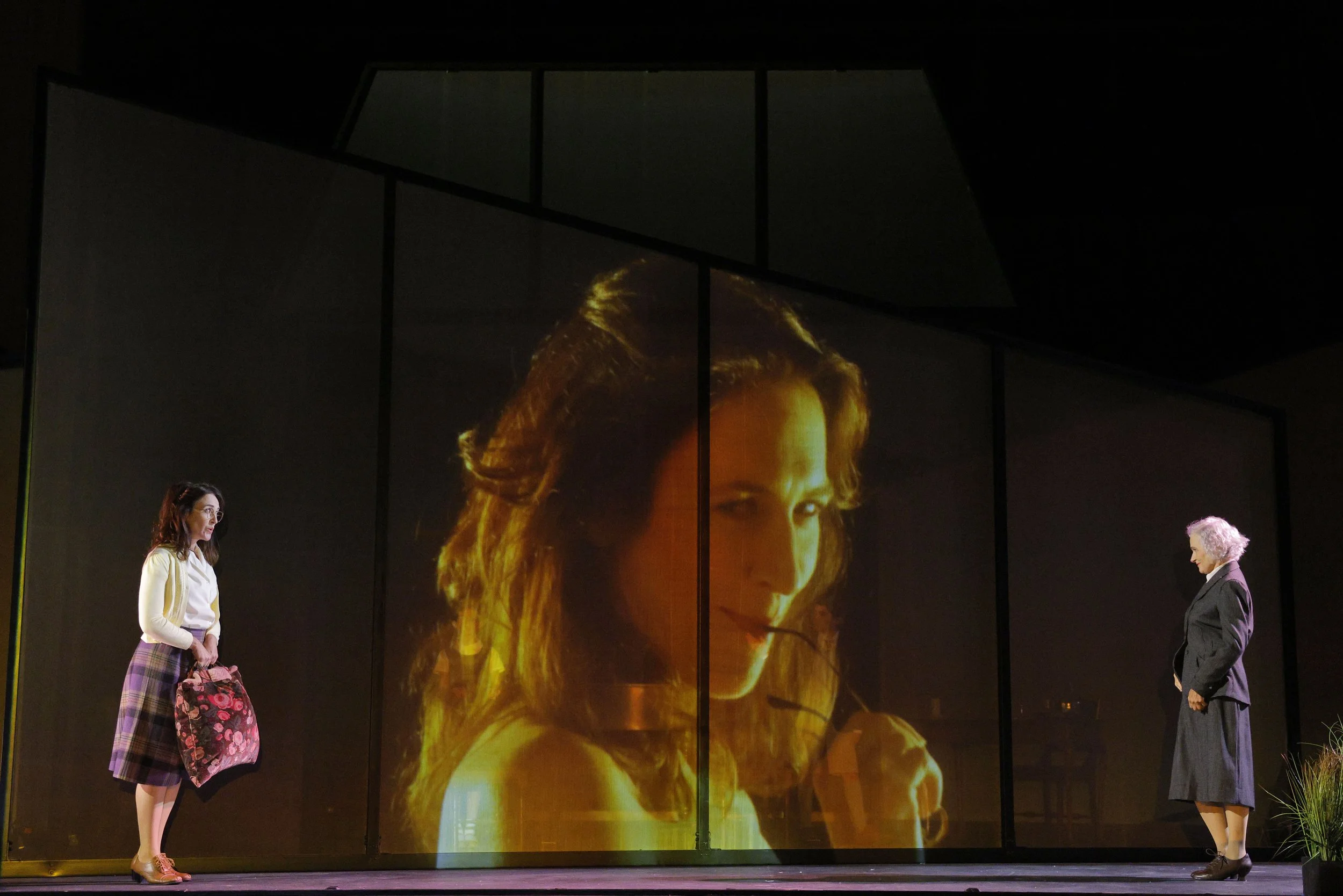
Laura Bohn as the Governess. Photo: Cory Weaver
3. Have you done the role since that 2013 Production? Are you reexamining choices from 2013, or are you building her from the ground up again? How do you balance what you already know with staying open to something new?
I covered the Governess for Dallas Opera in 2017, and re-entered the musical world fully, but I relied on my previous character analysis and didn’t re-examine the character in so much depth. Now that I am meeting her for our upcoming production it feels imperative to explore, examine, discover, interrogate, inquire into who she is from the ground up, also since I have experienced so many personal shifts and rites of passage since last playing her. From giving birth, raising a small child, experiencing my mother’s fight with cancer and nursing her through last month of life to witness her death. Since then, I have gone through a rigorous and profound healing process around my own voice which has meant establishing a deeper kinesthetic and somatic relationship to singing and lyrical vocal technique. I am really enjoying engaging with the nuanced musical arc of the character with more self-awareness - vocally and personally. I can imagine it will make the rehearsal process even more rewarding!
All of this plays into the ultimate physical portrayal which audiences will experience. I understand myself and what unconsciously has motivated me in the past so much more now than I did in 2013, and perhaps as a result my understanding of the Governess and why she does what she does (as mentioned above) runs much deeper. I think I had the right approach then; I understood her as she understood herself... but now I understand her with more perspective: how desperately she longs for human connection and to be seen and recognized as being important to someone - the master, or Miles and Flora as their mentor, guide, and even savior. She is motivated by a need for validation of herself worth. “I neither save nor shield them, I keep nothing from them. OH, I am useless! Useless!” Her insecurities are her blind spots.
4. You're reuniting with Mark Streshinsky and Jonathan Khuner, who were both there in 2013. What does it feel like to walk back into this story with the same people who helped you tell it the first time? Is there comfort in that, or does it come with its own kind of pressure?
There is absolutely comfort and a real JOY to enter this process with Mark and Jonathan and to engage in such rich material with them, yet again. I loved working with both and admire them tremendously as artists. We have undoubtedly all grown a lot in the past 13 years, and I look forward to meeting each other as we are now, with greater self-awareness and an expanded understanding of the world as it relates to this particular story. Where we will travel together with this new cast is yet to be seen, and a cherished adventure!
5. The Governess carries so much, she's scared, she's fierce, she's possibly unraveling. What is the heart of this story for you personally, and what do you hope the audience takes home from watching her journey?
We are in a time where we are privy to witnessing the terrible effects of human cruelty on large and small scales all over the world. If you watch the news or engage with social media, you cannot escape the daily tsunami of horrible things... and most of us naturally feel helpless to combat the inequalities and injustices that are taking place. The Governess finds herself unwittingly in this position, called to oversee Miles and Flora, and then in the most unnerving way learning of their scarred past. The Governess is brave - she adores these children, and engages with them with love and care, horrified by what they’ve had to endure, and determined to give them a healthy and safe environment to grow. She ultimately puts their safety above her own and strives to combat the ghosts of their past.
As the action of the story plays out, she finds herself more and more helpless to protect them, which is also a position many of us who love children may find ourselves in. “is this sheltered place the wicked world where things unspoken of may be?” Her decision when learning of the children’s trauma “I shall do nothing!” but just rely on herself to help them belies an ignorance and lack of experience. Her well-meaning but misguided reaction sets off the chain of events which lead us through the rest of the story.
The Governess can be a mirror for us... how do we react when life thrusts us into terrifying and unknown circumstances? She is a sympathetic character in her well-meaning innocence - and even more so in her loss of innocence as she traverses the shadow side of her own imagination. Tragically, Turn of the Screw does not give her relief, nor for the children. It does illuminate the complexity of engaging with newfound adversity and perhaps can be a warning for our culture’s glorification of “going it alone” and not resourcing help when our surroundings push us beyond our limits and threaten our very sanity.
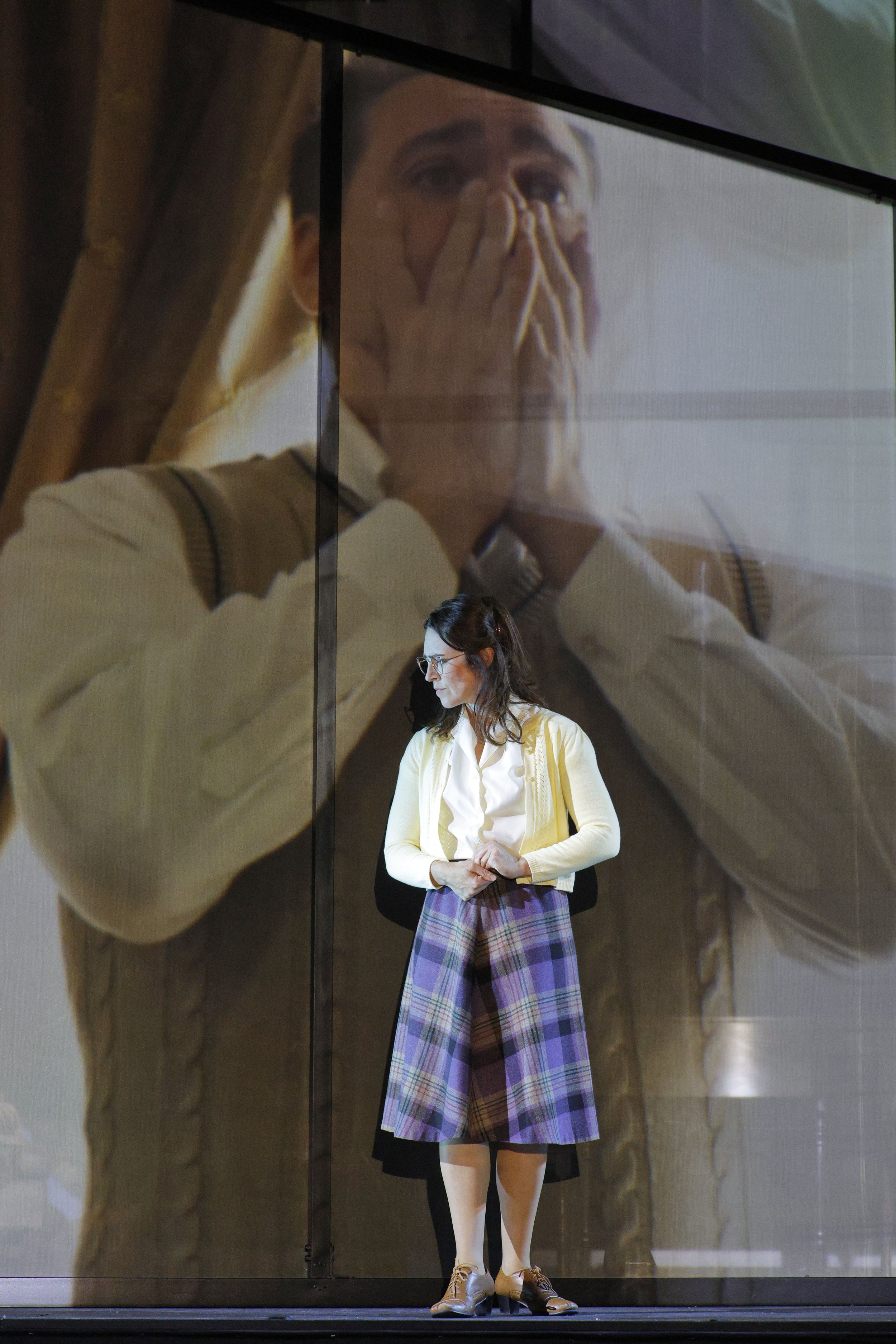
Photo by Cory Weaver
